Conversion losses: where they arise and how to remove them
Every conversion between AC and DC costs energy. We follow the chain from panel to consumer and show where the efficiency leaks away.
RByRob Arkesteijn
·1 min read
The chain from panel to consumer
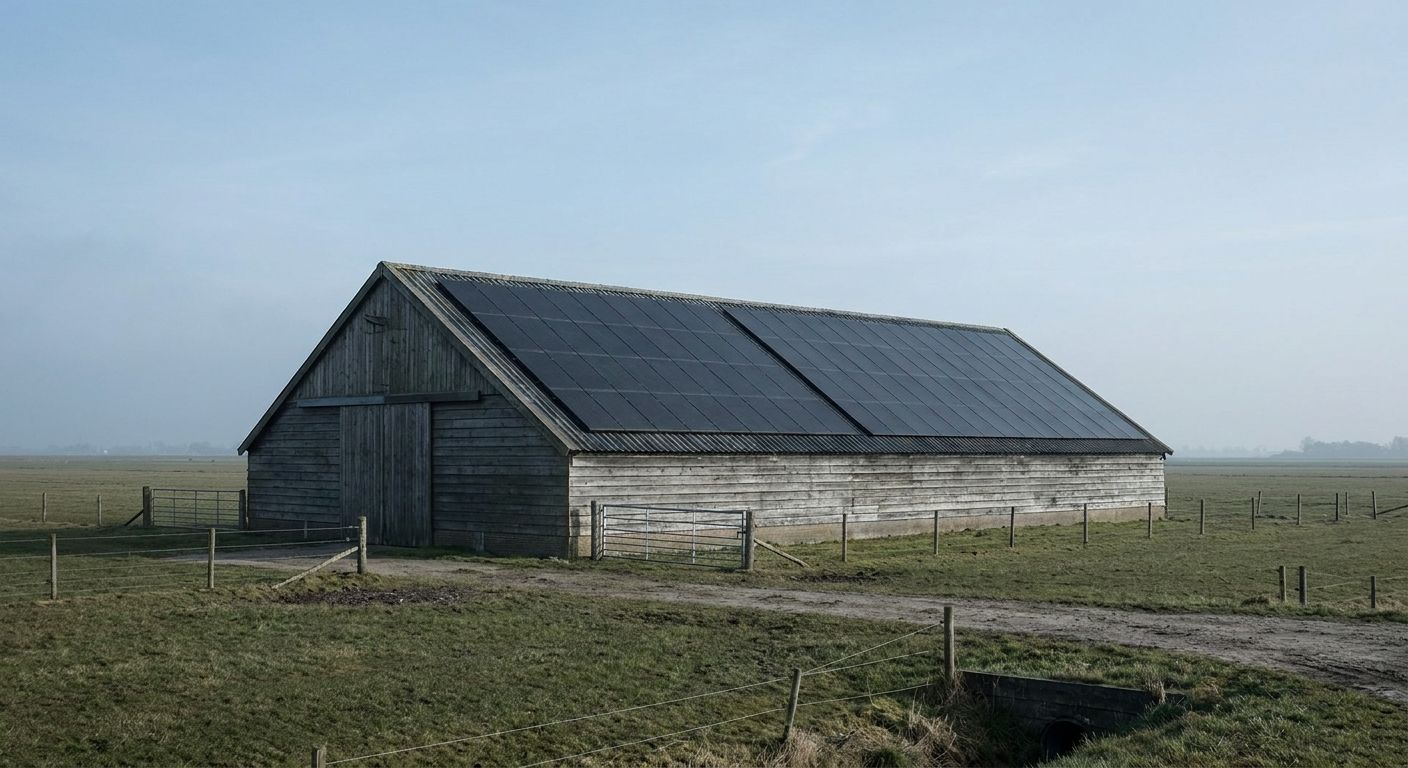
A solar panel delivers direct current. Before that energy reaches a device, it often passes through three or four conversions: to alternating current for the grid, and back to direct current in the devices themselves. Every step costs a few percent of efficiency.
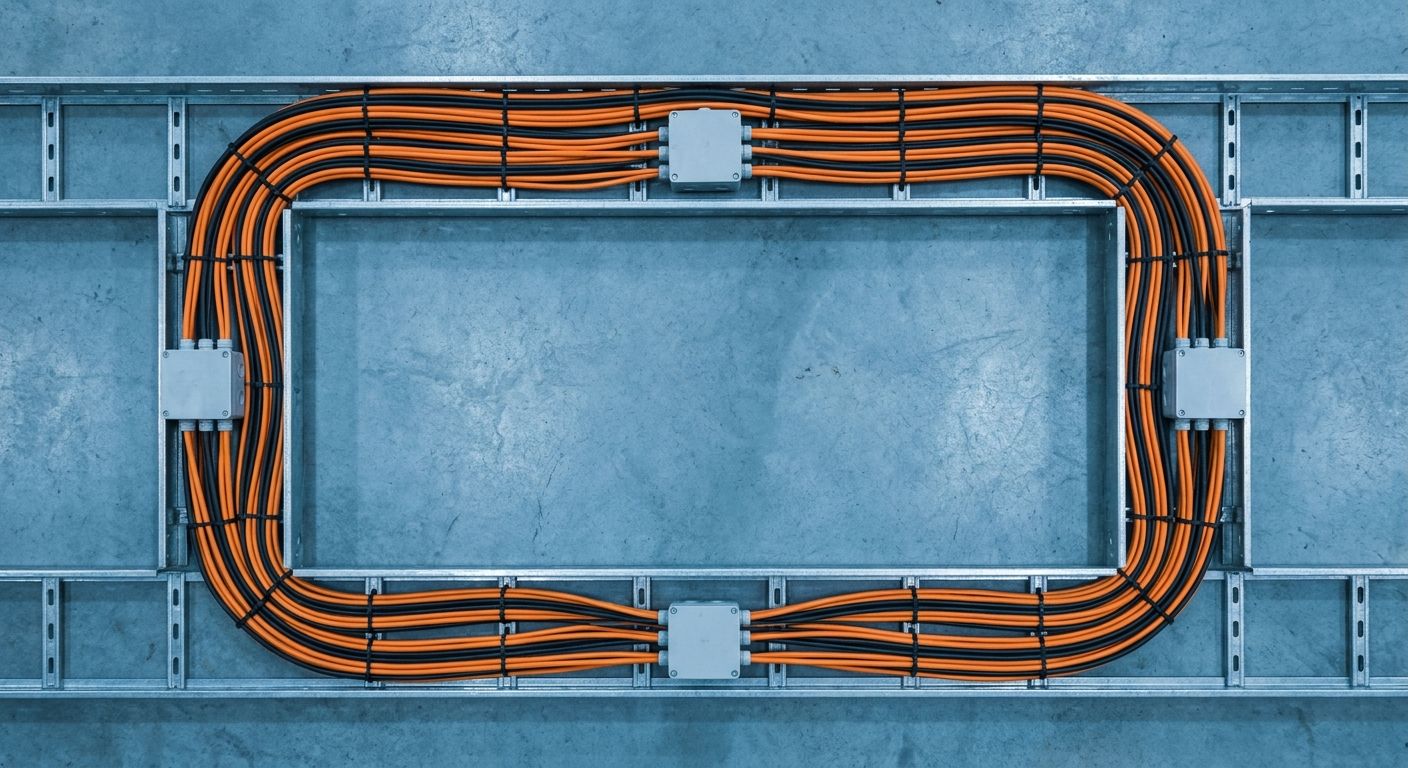
By connecting sources and consumers on a single shared DC bus, those intermediate steps disappear. What remains is one controlled conversion to the public grid — and a chain that is measurable from start to finish.
Rule of thumb
Every avoidable AC/DC conversion you take out of the chain typically yields 2 to 5 percent efficiency — plus less heat, less equipment and less maintenance.
Wondering whether direct current fits your situation?
From a farm to a business park — we are glad to work a concrete case through with you. No sales pitch, just a conversation about the engineering and what it gets you.